Home Collection

STEP 1
Easy Online Booking
Select test, time, and address online.

STEP 2
Live Tracking
Track Phlebotomist In Real Time

STEP 3
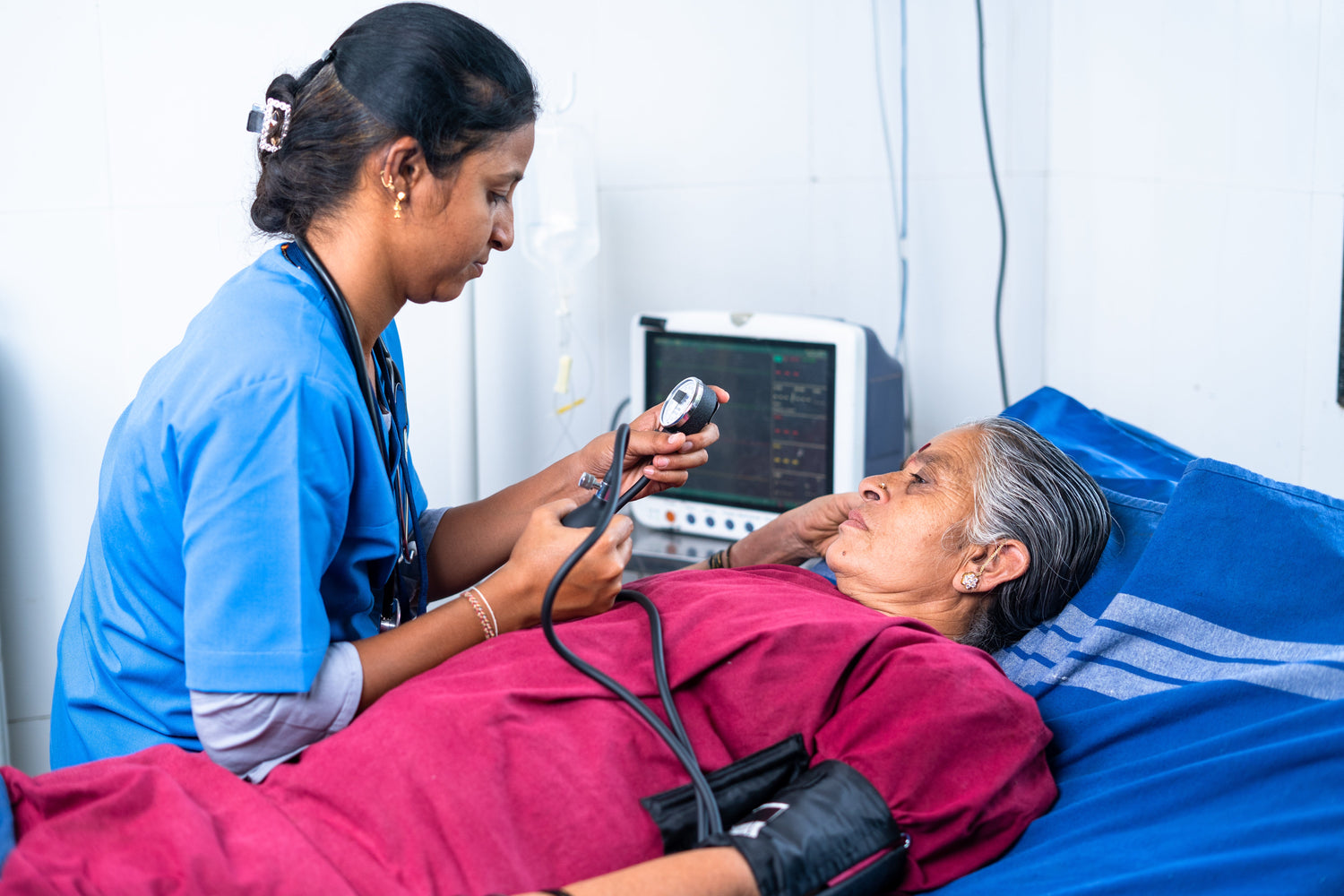
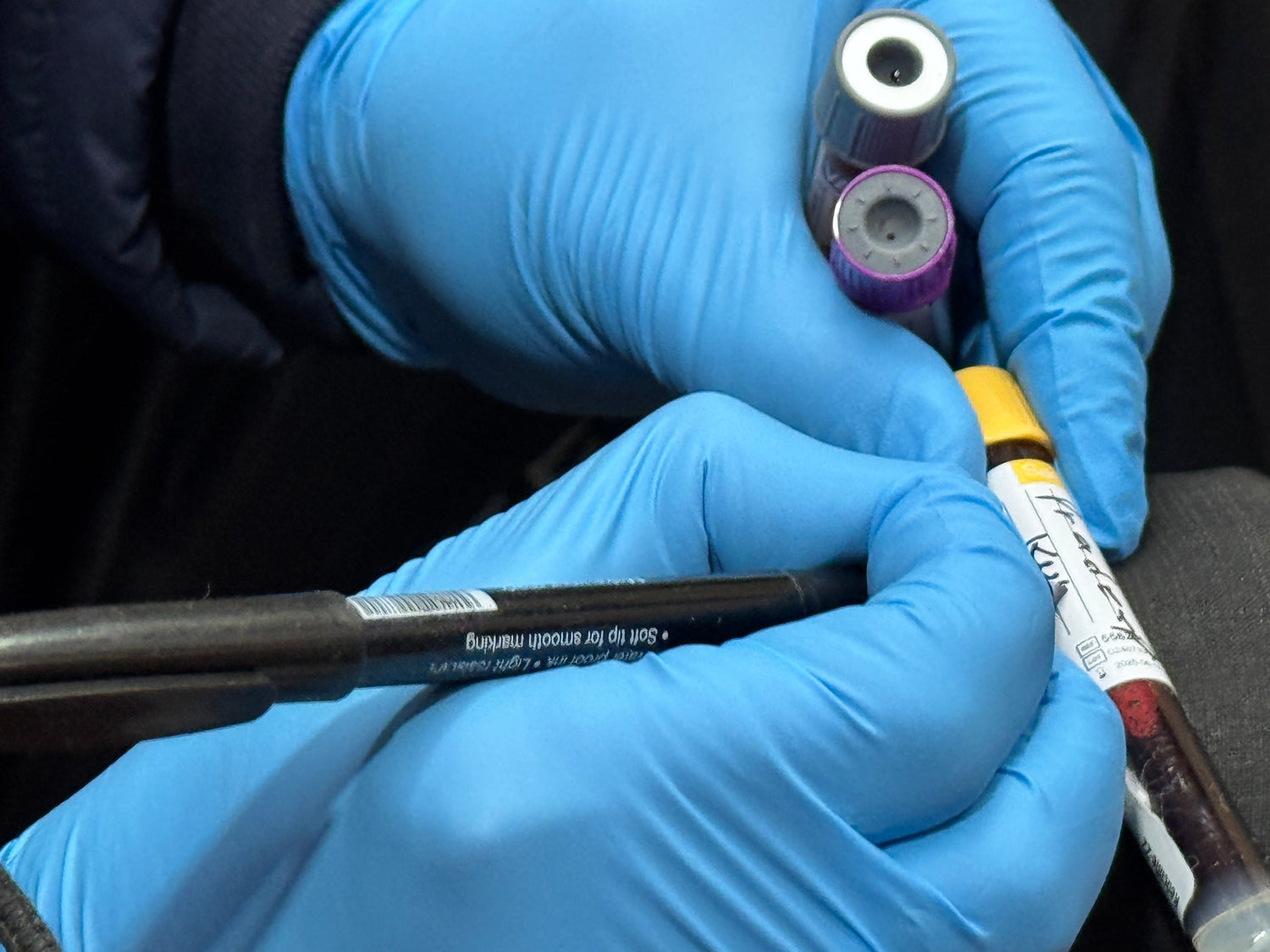
Safe Collection
Safe Sample Collection With Safety Protocols

STEP 4
Lab Testing
Sample Sent To Certified Lab For Testing

STEP 5
Quick Reports
Get Reports By Email Or WhatsApp With Free Doctor Consultation
Frequently Asked Questions
The Triple Marker with Graph (2nd Trimester) test is a prenatal screening test that evaluates the risk of chromosomal abnormalities and neural tube defects in the developing baby. It helps in early detection and guides appropriate management and further diagnostic steps if needed.
The Triple Marker test measures three biomarkers in the mother's blood: AFP (Alpha-fetoprotein) hCG (Human Chorionic Gonadotropin) Estriol Unconjugated (uE3)
You can undergo the Triple Marker test during the second trimester, ideally between 15–20 weeks of pregnancy (range: 14–22 weeks).
The test is done by taking a simple blood sample from the pregnant woman. It is completely non-invasive and safe for the baby.
The test screens for: Down Syndrome (Trisomy 21) Edwards’ Syndrome (Trisomy 18) It may also indicate risk for neural tube defects like spina bifida.
The Triple Marker test detects about 60–70% of Down Syndrome cases. It has around 5% false-positive rate, meaning some women may test screen-positive even when the baby is normal. A positive result should be followed up with NIPT, targeted ultrasound, or amniocentesis.
No. It is recommended for all pregnant women. However, it is especially important for women who: Are 35 years or older Have a family history of birth defects Had a previous baby with birth defects Have type 1 diabetes Had viral infection, radiation exposure, or harmful drugs during pregnancy
A normal (negative) result means the risk is low for Down syndrome, Trisomy 18, or neural tube defects. However, it does not guarantee the baby is free of all genetic or structural abnormalities. It only indicates reduced probability, not a confirmed diagnosis.
An abnormal (positive) result means there is an increased risk, not a confirmed disease. Your doctor may recommend: A detailed ultrasound NIPT (Cell-free DNA) Amniocentesis These confirm whether the baby truly has a genetic disorder.
Down Syndrome (Trisomy 21) is a genetic disorder caused by an extra copy of chromosome 21. It leads to developmental delays, characteristic physical features, and varying degrees of intellectual disability.
Edwards’ Syndrome (Trisomy 18) is a rare genetic disorder caused by an extra copy of chromosome 18. Babies may have multiple severe physical abnormalities such as small head, small jaw, and rocker-bottom feet.
Neural Tube Defects—such as spina bifida and anencephaly—are birth defects of the brain, spinal cord, or spine. They occur when the neural tube does not close properly during early fetal development. Diagnosis is done via: Maternal serum AFP test (MSAFP) Ultrasound (second trimester)
Save more with recommended Tests/Packages
Customer Reviews
-
We booked CureBay’s Corporate Health Package for our staff at Techzone, and the experience was outstanding.

-
I booked a health package with CureBay for my family, and I am very satisfied with their service. The home sample collection was hassle-free, and the reports came quickly with clear guidance from doctors.

-
I recently booked a diagnostic test with CureBay, and I must say the service was excellent.


Triple Marker with Graph
-

Home Sample Collection
-

NABL-Certified Partner Labs
-
First & Accurate Report
-
Digital Report Access