
Home Collection

STEP 1
Easy Online Booking
Select test, time, and address online.

STEP 2
Live Tracking
Track Phlebotomist In Real Time

STEP 3
Safe Collection
Safe Sample Collection With Safety Protocols

STEP 4
Lab Testing
Sample Sent To Certified Lab For Testing

STEP 5
Quick Reports
Get Reports By Email Or WhatsApp With Free Doctor Consultation
Frequently Asked Questions
The full form of IgE is Immunoglobulin E. It is a type of antibody that is produced by the immune system and helps the body fight against infections and allergies.
The Total IgE test is a blood test that measures the total amount of immunoglobulin E antibody in the blood. This test helps diagnose certain types of infections and immune disorders.
The Total IgE test is advised by the doctor in case you experience allergy symptoms, such as itchy skin, itching in eyes, hives, eczema, nausea, vomiting, persistent diarrhea, sneezing, coughing, congestion, difficulty in breathing, chest tightness, and similar symptoms suggestive of asthma.
There is usually no risk associated with this test. However, some people may feel a slight sting when a needle is pricked and may experience some bleeding that is normal and usually not bothersome. Rarely, some people may also experience slight swelling or bruising at the site of the needle prick. Applying ice 3-4 times a day for about a week may help reduce swelling and bruising. If it does not get better, consult your doctor.
No fasting is required for this test. You can schedule it at your convenience without avoiding food or water beforehand.
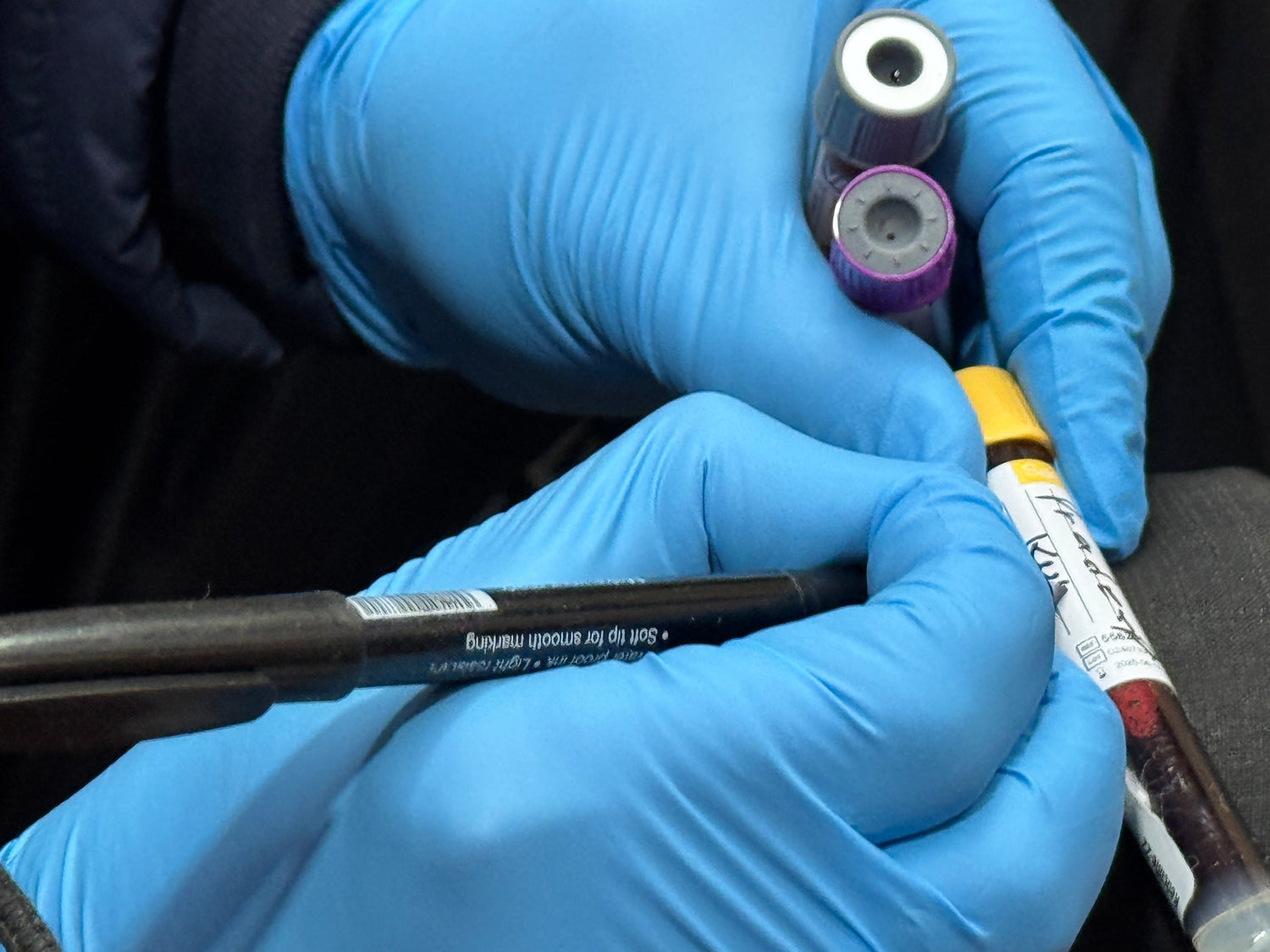
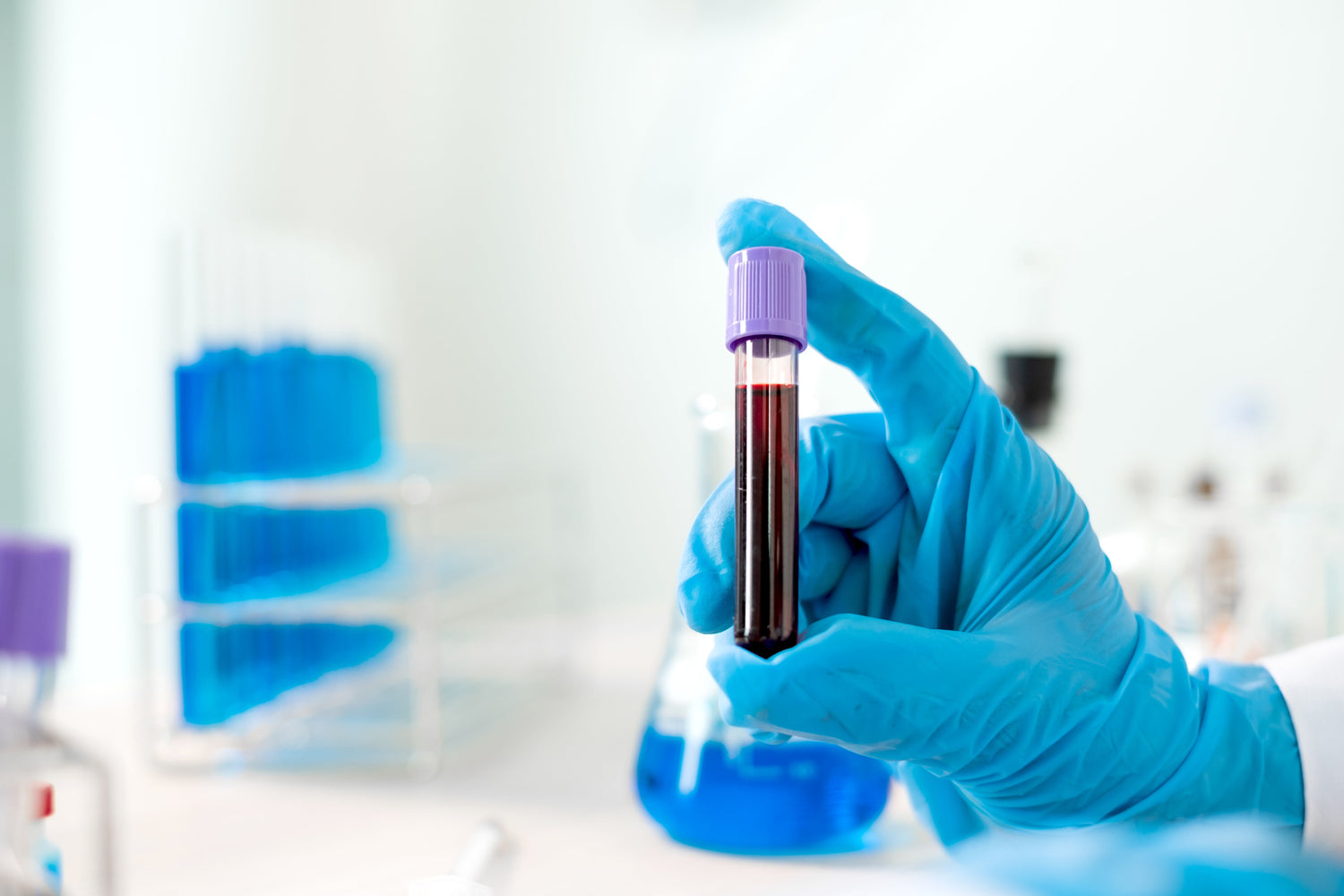
A phlebotomist (a trained professional to perform blood draws) will clean your skin using an antiseptic alcohol cotton swab or wipe, and take a blood sample from your vein using a needle. The blood sample will be stored safely and transported to the laboratory for analysis.
If your total IgE test result is high, you may have some kind of allergy. However, the results of this test do not tell what you might be allergic to or how serious your allergy may be.
The most common food allergens which may increase your IgE levels include milk, egg, soy, peanut, tree nuts, fish, etc.
Always consult your doctor if you are suspecting any allergy. However, adopting some dietary changes, filtering the air inside your house, maintaining proper hygiene, taking vitamins and supplements (as recommended by your doctor), etc., may help ease your allergies.
Allergy blood tests may not always be accurate. Sometimes, the test results may suggest you have an allergy when, in reality, you do not (also called a false-positive result). This may happen if your body is having a slight reaction to substances in certain foods that you may have eaten before the test. It is uncommon for a blood test to show false-negative results. Depending on your medical history and symptoms, your doctor may prescribe an allergy skin test with an allergy blood test, or you may have a skin test alone.
Save more with recommended Tests/Packages
Customer Reviews
-
We booked CureBay’s Corporate Health Package for our staff at Techzone, and the experience was outstanding.

-
I booked a health package with CureBay for my family, and I am very satisfied with their service. The home sample collection was hassle-free, and the reports came quickly with clear guidance from doctors.

-
I recently booked a diagnostic test with CureBay, and I must say the service was excellent.


Total IgE
-
Home Sample Collection
-

NABL-Certified Partner Labs
-
First & Accurate Report
-
Digital Report Access